AI²POC · Universitätsmedizin Mannheim

AI-driven research for personalized, data-driven perioperative care.

AI-generated

Latest

News

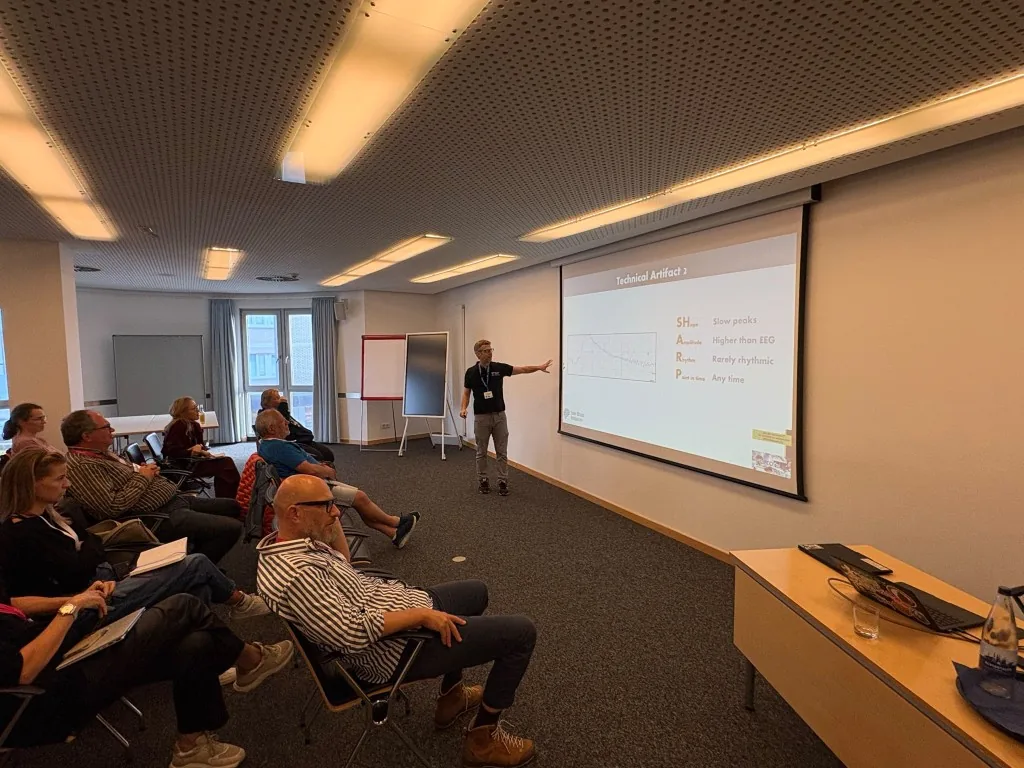
Lecture during the SBI EEG bootcamp at the 40th Sylt Week of Anesthesiology

Brain health in focus: Safe Brain Initiative EEG bootcamp on Sylt

As part of the 40th Sylt Week of Anesthesiology, a practice-oriented EEG bootcamp of the Safe Brain Initiative (SBI) took place on 5 September 2026. The focus was on interpreting intraoperative EEG signals, their role in individualized anesthesia management, and current concepts for perioperative protection of particularly vulnerable patients. For our team at University Medicine Mannheim, EEG-based neuromonitoring is a key element in advancing personalized, data-driven perioperative medicine. The approaches discussed at the bootcamp feed directly into our current research on brain health, neuromonitoring, and AI-supported perioperative data analysis.

Learn more

AI²POC — Artificial Intelligence for Interdisciplinary Perioperative Care

AI2POC

Artificial Intelligence for Interdisciplinary Perioperative Care

From multimodal clinical data to personalized perioperative care.

AI

Artificial Intelligence

Turning multimodal clinical data into actionable knowledge.

  • Multimodal data integration

    Vital signs · EEG · medication · laboratory data · clinical outcomes

  • Predictive analytics

    Risk prediction · patient phenotyping · outcome modeling

  • Clinical decision support

    Personalized monitoring · treatment guidance · early detection

  • Digital & AI methods

    Machine learning · signal analytics · large language models

I

Interdisciplinary

Connecting clinical expertise, data science and medical technology.

  • Anesthesiology & Intensive Care
  • Surgery & Perioperative Medicine
  • Data Science & AI
  • Medical Technology
  • Clinical Research

Bringing together clinical questions, high-resolution data and technological innovation.

POC

Perioperative Care

Research across the entire surgical pathway.

  1. Before surgery

    Risk stratification · Prehabilitation · Patient-reported outcomes (PROMs)

    Prepare

  2. During surgery

    EEG & neuromonitoring · Nociception & hemodynamics · Drug delivery & anesthesia control

    Guide

  3. After surgery

    Recovery & PACU outcomes · Pain · PONV · delirium / PND · PROMs & PREMs

    Improve

AI²POC stands for Artificial Intelligence for Interdisciplinary Perioperative Care. The name reflects the core of our work: we do not use artificial intelligence in isolation, but combine it with clinical expertise, data science, medical technology and interdisciplinary research. Our focus is perioperative care — the entire treatment pathway before, during and after surgery. AI²POC develops approaches to make clinical data more usable, identify risks earlier and support clinical decision-making more effectively.

What do we work on?

Research, collaborations, and scientific outcomes

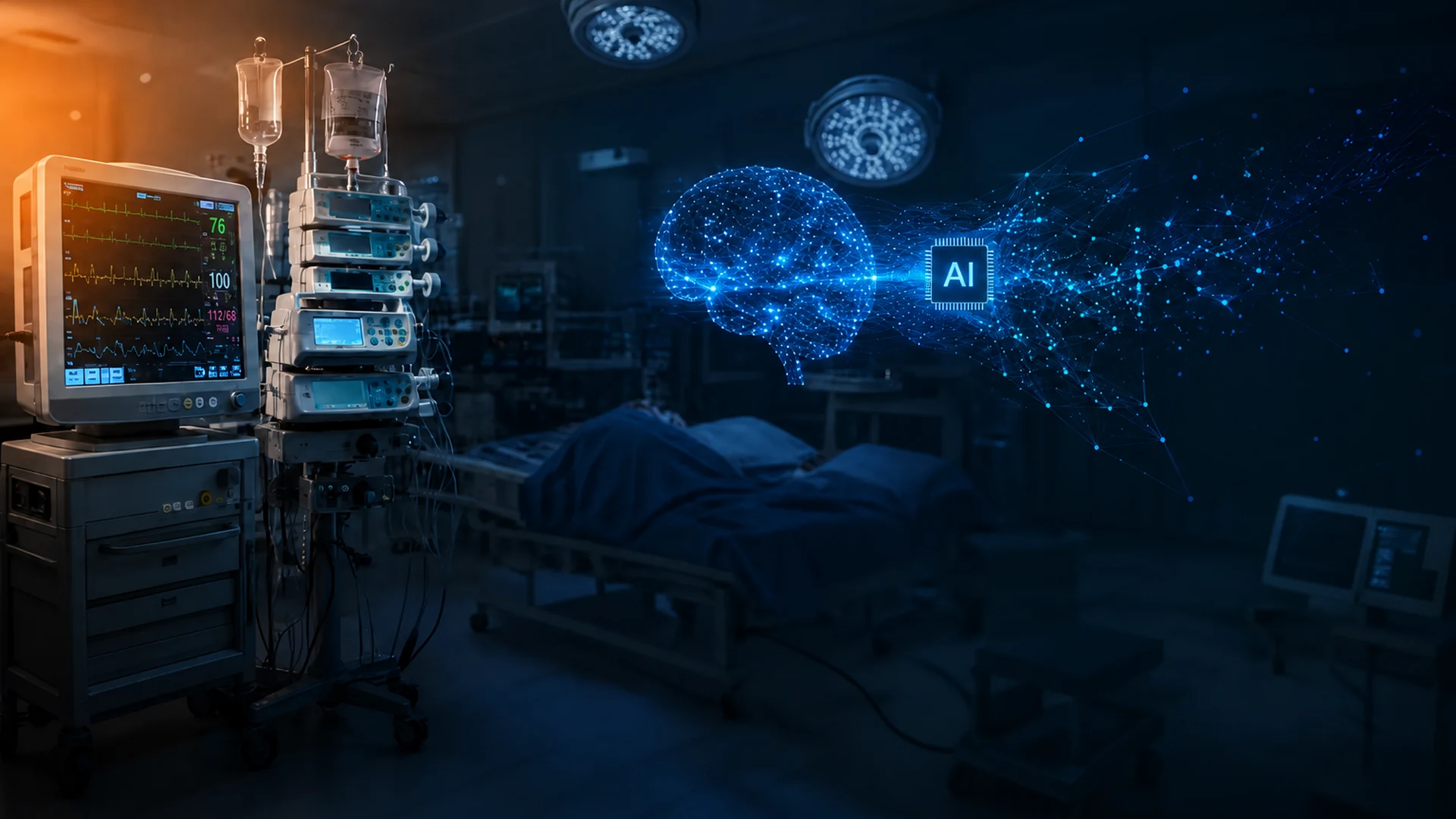
Every surgical procedure generates valuable clinical data. Before, during and after surgery, large amounts of information are generated that are still only partially used for research and clinical decision support. AI²POC investigates how these data can be systematically integrated and analyzed using modern analytical and AI-based methods to identify risks earlier, support perioperative decision-making and enable more personalized care.
Who does AI²POC work with?
TH Mannheim
TUM
Clínic Barcelona
IDIBAPS
Universitätsklinikum Gießen Marburg
Universitätsklinikum Ulm
Universitätsmedizin Göttingen
University of Minnesota Medical School
Safe Brain Initiative
LeMeDaRT
BMBF
NextGenerationEU
Fresenius Kabi
GE HealthCare
Novacair
Medtronic
TH Mannheim
TUM
Clínic Barcelona
IDIBAPS
Universitätsklinikum Gießen Marburg
Universitätsklinikum Ulm
Universitätsmedizin Göttingen
University of Minnesota Medical School
Safe Brain Initiative
LeMeDaRT
BMBF
NextGenerationEU
Fresenius Kabi
GE HealthCare
Novacair
Medtronic

Shaping the future of perioperative research together.

We bring together clinical expertise, data science, and artificial intelligence — and welcome new research collaborations.

Get in Touch