Why Multimodal Neuromonitoring?
A single signal reveals only part of the picture.
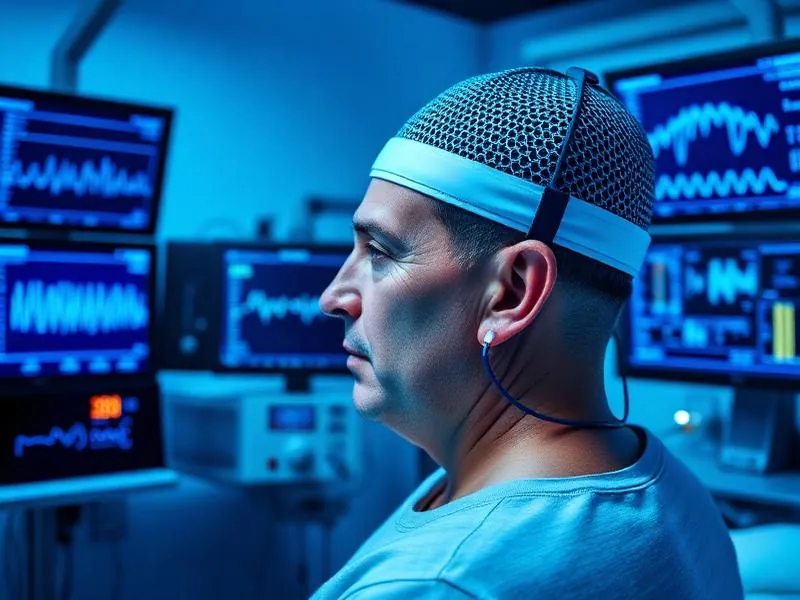
During surgery, anesthesia, surgical stress, haemodynamics, oxygenation and nociception act simultaneously on patient physiology. EEG, cardiovascular parameters, nociception, neuromuscular function and further signals capture different aspects of this state — yet in routine clinical care they are often considered separately.
A single parameter is rarely sufficient: blood pressure alone says little about cerebral oxygenation; EEG alone does not describe haemodynamics; a nociception index alone does not capture brain activity. Our research approach therefore investigates not only individual measurements, but also their temporal dynamics and interactions.
By integrating multiple data sources, we aim to better understand how anesthesia, surgical stimuli, therapy and individual patient factors are reflected in physiological signals.
The goal is not more monitoring for its own sake, but a more differentiated understanding of perioperative physiology — as a foundation for neuroprotection, individualized therapy and data-driven decision support.
What do we want to understand?
Multimodal Physiology
How do EEG, haemodynamics, nociception and further signals change together during anesthesia and surgical stimulation — and which interactions remain invisible when each modality is viewed in isolation?
Individual Response Patterns
Which patient-specific patterns can be identified in high-resolution perioperative time series, and how are they related to age, comorbidity and vulnerability?
Signal Integration
What additional information emerges when EEG, DSA, NIRS, vital signs and clinical context data are analyzed jointly rather than in isolation?
Data-Driven Models
How can statistical methods and machine learning be used to derive prediction models and digital biomarkers from multimodal monitoring?