
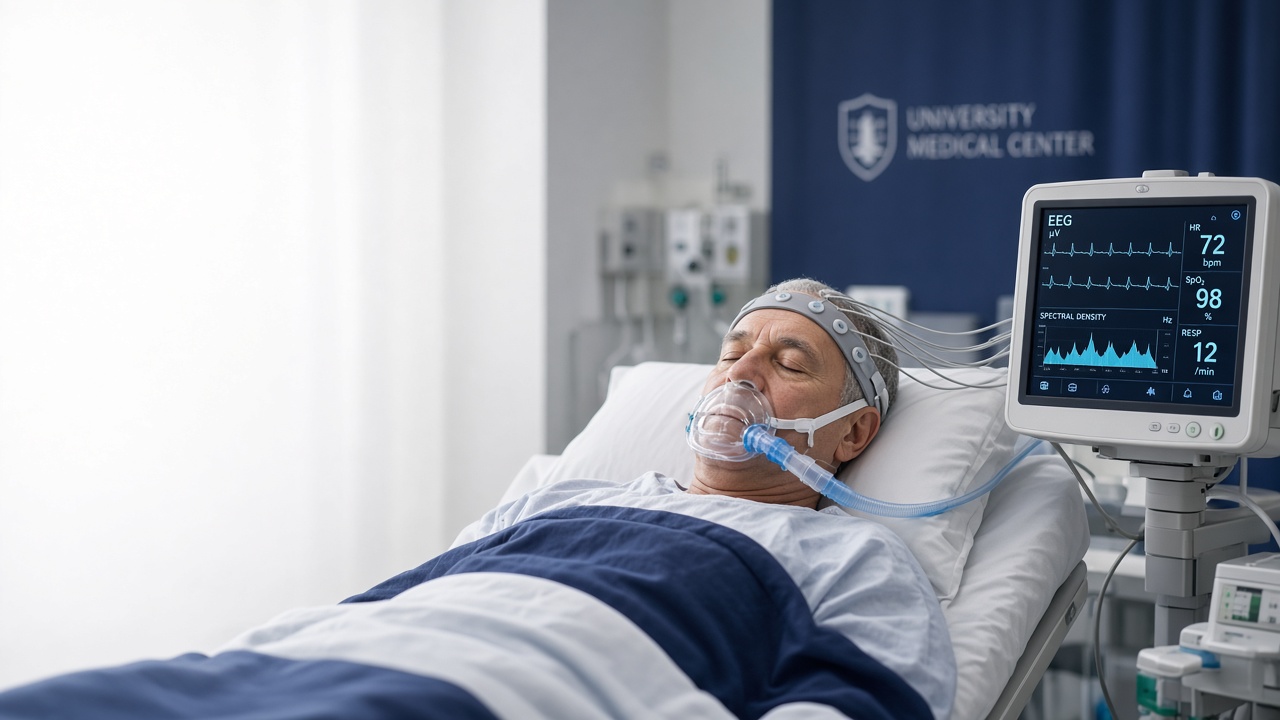
Why Perioperative Brain Health?
The brain is one of the most vulnerable organs throughout the perioperative pathway.
As the population ages, the number of vulnerable patients with reduced cognitive reserve, frailty and complex comorbidities is increasing. Age, comorbidities and baseline cognitive function already influence individual vulnerability before surgery.
Neurocognitive complications rarely arise from a single event. They result from complex interactions between individual vulnerability, ageing processes, surgical stress, neuroinflammation, pain, sleep disturbance, haemodynamic instability and medication effects.
Postoperatively, these factors may be reflected in delirium, delayed neurocognitive recovery, perioperative neurocognitive disorders (PND) or functional loss — often well beyond the hospital stay and with impact on quality of life and independence.
We therefore consider perioperative brain health as a continuum – from preoperative risk stratification and intraoperative brain function to postoperative and longer-term outcomes. Our goal is to identify relevant risk patterns and establish a scientific basis for more individualized perioperative care.
What do we want to understand?
Preoperative Vulnerability
Which clinical, functional, cognitive and psychosocial characteristics — including frailty and reduced cognitive reserve — identify patients at increased risk of perioperative neurocognitive changes?
Perioperative Brain Function
How do EEG, cerebral perfusion and other physiological signals change during anesthesia and surgical stress, and which individual patterns relevant to neuroprotection can be identified?
Delirium & PND
How are perioperative physiology and treatment associated with delirium, delayed neurocognitive recovery or perioperative neurocognitive disorders?
Patient-Centered Outcomes
How are perioperative brain health, clinical events and neurocognitive changes associated with recovery, everyday competence, quality of life, PROMs and PREMs?